Free Consultation Call:

What To Do If Your Spouse Hides Assets in Divorce
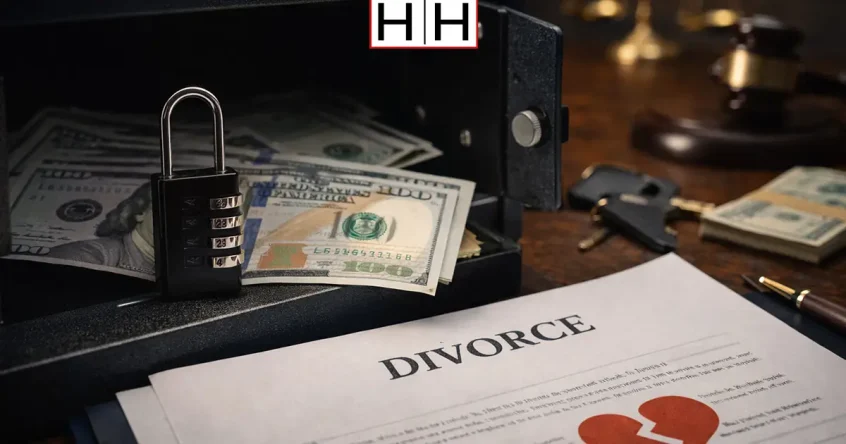
When you’re untangling a marriage, the emotional side is hard enough. Add in money worries (especially the fear that your spouse might be hiding something), and the stress can multiply overnight.
Many people are surprised to learn how common financial secrecy actually is. According to the National Endowment for Financial Education, about two in five adults admit to hiding a purchase, bank account, or debt from a partner.
When divorce enters the picture, the pressure to conceal assets can grow, and the fallout can be serious. Hidden assets can leave one spouse on unstable financial ground for years, affect child support or alimony, and severely deepen tension between co-parents.
If you’re going through divorce proceedings in Utah, or anywhere in the United States, it helps to know what “hidden assets” actually means in legal terms and what steps you can take if you suspect it’s happening.
This article will walk you through the red flags, the potential for severe consequences, and what to do next.
Why Spouses Hide Assets During Divorce
The reasons behind hiding assets vary, but they are usually to fear and control. Some people worry about losing what they see as “their” money or property. Others want to punish a spouse or keep more wealth for themselves.
Regardless of motive, hiding assets is illegal and can backfire in serious ways. Sometimes, it even results in criminal charges.
Common Motives for Hiding Assets in a Divorce
In many separations, fear of financial insecurity can push someone to stash away cash, transfer property to friends, or underreport income. Someone might open a secret account, claim bonuses are smaller than they are, or withhold key information in hopes the court (and their spouse) will never find out.
These actions can happen with anything: real estate, investments, retirement accounts, and even valuable collectibles.
How Hiding Assets Affects Support and Child Custody
When assets are missing from the table, the court doesn’t get a true picture of the couple’s finances. This skews decisions about child support, spousal support, and property division.
In Utah, as in most states, courts rely on full financial disclosure to achieve a fair outcome. Hidden assets can mean less support for a spouse or child. It also sends a message to children about honesty and fairness, which are issues that can affect the entire family dynamic.
Signs Your Spouse May Be Concealing Assets
As you can imagine, spotting hidden assets is rarely obvious. Often, concerns start with a gut feeling or subtle changes in day-to-day life. Knowing the red flags can help you act before something slips through the cracks.
Unexplained Financial Changes
If you notice your spouse suddenly has less money coming in or makes large withdrawals, be alert. Other clues may include significant spending on gift cards, prepaid cards, or luxury items, especially if those items go missing later. Transfers to new accounts, lowered direct deposits, or sudden new debts that are not fully explained could also indicate something is off.
Missing Documents or Secretive Behavior
A spouse who gets defensive or evasive about money, keeps financial documents hidden, or refuses to share passwords and account statements may be protecting something. Look out for altered tax returns, missing paystubs, changes in routine bill payments, and a sudden interest in organizing personal business without your involvement.
Domestic Abuse and Financial Control
Financial secrecy sometimes appears alongside emotional or physical abuse. A spouse who controls access to money, cuts off funds, forces you to ask for basic expenses, or tracks every purchase may be using finances as a form of power.
The National Network to End Domestic Violence explains that financial abuse is present in 99% of domestic violence cases and can include restricting bank access, hiding accounts, or accumulating debt in a partner’s name.
If you’re experiencing this type of behavior, hidden assets may be part of a larger pattern, not just a financial dispute. Reaching out to a family law attorney and, if needed, a domestic violence support organization can help you stay safe while protecting your interests.
Finding Hidden Assets During a Divorce
If you’re worried or suspicious about hidden assets, you are not powerless. There are concrete steps you can take with help from professionals to find out what’s really there.
Reviewing Financial Records
Start by gathering all available financial statements, including checking, savings, and investment records for at least the last few years. Compare reported income to past tax returns. Check property records with your county, look up vehicle titles, and review past loan applications for any assets or accounts you don’t recognize.
Using Discovery Tools and Subpoenas
Courts allow both sides in a divorce to demand financial information through the “discovery” process. This might involve formal requests for bank statements, credit card records, credit reports, business financials, or even emails and phone logs.
If your spouse does not comply, your attorney can ask the court to issue subpoenas, which require banks or other institutions to hand over documents directly.
Working With Financial Experts
For complex cases, forensic accountants and financial experts can analyze spending patterns, business records, and digital footprints. They are trained to spot inconsistencies and find hidden accounts, off-the-books payments, or transfers to family members and friends meant to hide money.
In Utah and other states, judges recognize the testimony of these professionals and use their findings to direct the division of assets.
Legal Consequences of Hiding Assets
Trying to hide assets during divorce is not just unfair. It’s illegal. Utah courts take a strict view of this kind of financial deception, and the consequences can have lasting effects.
Court Penalties and Sanctions
If a spouse is caught hiding assets, judges have broad powers to impose penalties. Utah judges may order that the injured spouse receive a greater share of the discovered assets or, in severe cases, all of the hidden assets. The court can also require the deceptive spouse to pay extra legal fees, face fines, or even be charged with contempt of court.
Impact on Asset and Property Division
The Utah legal system demands an equitable distribution (not always equal) of the marital estate. Failing to disclose assets can tip the balance toward the wronged spouse, resulting in a judgment that punishes the dishonest party.
The court could even reopen a divorce case years later if hidden assets are discovered, so the risks don’t end with the final divorce settlement or decree.
Protecting Your Assets in a Divorce
Proactive steps can help you avoid the stress and damage of hidden assets. Everyone going through a divorce in Utah should take these actions early on, especially if trust has already been shaken between you and your spouse.
Organizing and Documenting Your Assets
Make it a habit to collect and store copies of your financial documents. This means bank statements, retirement account summaries, investment records, property deeds, car titles, and relevant loan paperwork.
Also, keep an updated list of assets and debts in your name and your spouse’s name. Digital copies stored safely can help you act fast if you need to prove ownership or the total value of your marital property.
Seeking Court Orders for Asset Protection
Utah courts can issue orders that freeze marital assets, preventing either spouse from moving, selling, or withdrawing funds without the other’s knowledge or court approval.
If you suspect your spouse might move money or sell property to hide it, your lawyer can request such orders early in the process. These tools exist to level the playing field and keep both spouses accountable during asset division.
How Divorce Attorneys Help
Dealing with a spouse who hides assets is not a challenge you need to face alone. Divorce attorneys have the tools and experience to guide you every step of the way, from initial suspicions to the final outcome.
Guidance Through Financial Disclosures
Experienced attorneys know how to draft discovery requests, spot missing pieces, and demand compliance with Utah’s full-disclosure rules. They can explain what to look for in financial statements and quickly recognize inconsistencies. Working with someone who knows the court system increases your ability to determine if your spouse is hiding assets or not.
Advocacy in Negotiations and Court
If the issue escalates, your divorce attorney can present evidence, cross-examine the opposing party, and bring in expert testimony as needed. Their job is to make sure the court sees an accurate picture of your family’s assets to create a fair settlement for everyone. This advocacy can protect your long-term interests, your kids’ future, and your peace of mind during a stressful process.
If You Think Money Is Missing, It’s Time to Speak Up
Facing the possibility of hidden assets can shake your sense of stability, but you don’t have to sort it out on your own.
Utah courts treat financial dishonesty seriously, and taking action sooner rather than later can protect your long-term financial future. At Henriksen Law, our family law attorneys have the experience to uncover hidden assets, hold the other spouse accountable, and help you take the appropriate next steps.
If something doesn’t feel right, now is the time to act. Contact Henriksen Law for a confidential consultation and get a plan for the divorce process in place today.
