Free Consultation Call:

What Are the Grounds for Divorce in Utah?
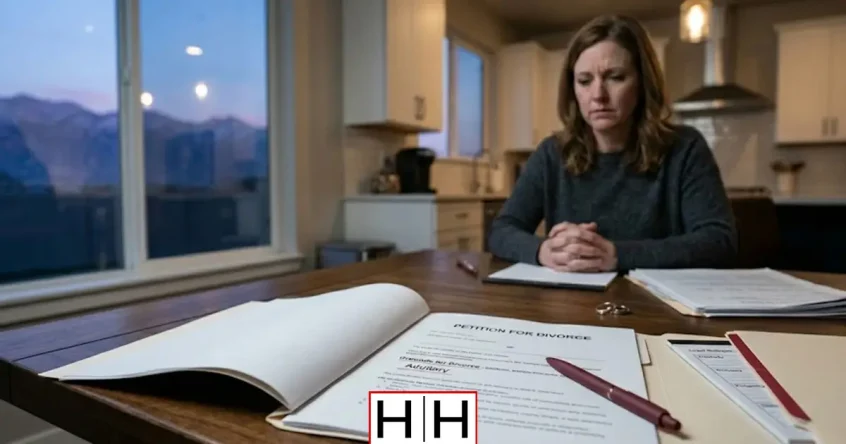
Table of Contents
Opening a divorce petition to see “adultery” listed as the legal ground is a gut-punch that changes the stakes instantly. If you assumed Utah was strictly no-fault, this accusation triggers an immediate crisis.
You now wonder if this will cost you custody, your home, or your financial future.
Utah law permits both no-fault and fault-based divorce under Utah Code § 30-3-1. The statute lists irreconcilable differences, along with specific fault grounds, as legally acceptable reasons for divorce in Utah. Those distinctions matter under Utah divorce law when strategy and financial consequences are at play.
Before filing divorce papers or responding to a divorce petition, it helps to know how the law actually works. The sections below break down the legal framework and its practical implications in a Utah divorce case.
- The recognized grounds for divorce in Utah
- The difference between fault and no-fault filings
- How grounds influence alimony, child custody, property division, and child support
- When to speak with a divorce attorney that Utah residents rely on
Utah Divorce Laws Recognize Fault and No-Fault Grounds
Utah divorce laws divide grounds for divorce into two categories. A spouse may file on a no-fault basis or allege specific misconduct recognized under Utah law.
That distinction shapes how a divorce attorney evaluates strategy at the outset of divorce proceedings.
No-Fault Divorce – Irreconcilable Differences
Most divorces filed in Utah under the grounds for divorce rely on irreconcilable differences. The filing spouse does not need to prove wrongdoing by the other spouse. Testimony that the marriage has broken down beyond repair generally satisfies the legal grounds requirement.
No-fault divorce limits the need for evidence about private conduct. It reduces litigation over personal accusations and narrows the focus to financial issues and parenting matters. Many divorce cases in Utah proceed under this approach to improve efficiency and cost control, especially in uncontested divorces.
Fault-Based Grounds for Divorce in Utah
Utah state divorce laws also permit divorce based on specific fault grounds listed by statute. These fault-based divorce allegations require proof and may increase conflict during divorce proceedings.
Courts review evidence before a divorce is granted on these grounds.
- Adultery
- Willful desertion
- Willful neglect
- Habitual drunkenness
- Conviction of a felony
- Cruel treatment
- Incurable insanity
- Separate maintenance for three years
A spouse alleging fault must present admissible evidence to support the claim. Proof may include documents, witness testimony, or court records. When fault becomes part of the divorce process, the case may become longer and more contested.
Filing Requirements Under Utah Divorce Laws
Utah divorce laws require more than selecting the proper grounds. A spouse must also satisfy residency requirements and procedural rules before a court may enter a divorce decree. Filing strategy begins with jurisdiction and timing.
Utah Residency Requirement
At least one spouse must reside in Utah and in the county where the divorce petition is filed for the required statutory period. Residency establishes jurisdiction under Utah’s divorce laws and allows Utah courts to hear the case. Without it, the court cannot proceed, regardless of the legal grounds.
Jurisdiction challenges delay divorce proceedings and increase expenses. A divorce attorney reviews residency requirements carefully before filing. Proper venue avoids unnecessary procedural disputes at the outset.
The 30-Day Waiting Period
Utah imposes a mandatory waiting period before a divorce may be finalized. Under Utah Code § 30-3-18, a court may not grant a divorce until at least 30 days after the petition is filed. Judges may waive the waiting period in exceptional circumstances.
The waiting period applies whether the divorce is fault-based or no-fault. Parties should not assume that filing immediately results in a final divorce decree. Understanding this statutory timeline helps set realistic expectations in the Utah divorce process.
Comparing Fault and No-Fault Divorce in Utah
The choice between fault and no-fault grounds for divorce in Utah affects how a divorce case proceeds. Each approach carries different evidentiary demands and litigation risks. Evaluating those differences early helps shape strategy under Utah divorce laws.
| Issue | No-Fault Divorce | Fault-Based Divorce |
| Proof Required | Sworn testimony of irreconcilable differences | Admissible evidence supporting the allegation |
| Timeline Impact | Typically shorter | Often extended due to evidence and hearings |
| Effect on Alimony | Neutral starting point | May influence award if misconduct is proven |
| Level of Conflict | Lower | Higher |
No-fault divorce narrows the dispute to financial and parenting matters. Fault-based filings introduce allegations that require proof and may increase discovery. When evidence is limited, pursuing fault may lengthen the divorce process without changing the outcome.
Utah courts prioritize equitable resolution over punishment. Proving misconduct does not automatically alter the property division in divorce cases in Utah. A divorce attorney evaluates whether alleging fault advances a measurable legal objective.
How Grounds for Divorce Affect Alimony, Property, and Custody
Selecting the proper grounds for divorce in Utah does more than satisfy a filing requirement. It may influence financial arguments and litigation posture.
Courts apply Utah divorce laws with a focus on fairness rather than punishment.
Impact on Alimony
Utah courts evaluate several statutory factors when determining whether to award alimony. Under Utah Code § 30-3-5, the court may consider fault when deciding whether to award alimony and in what amount. Fault does not guarantee a higher or lower award, but it may shape the court’s analysis.
Judges review financial need, earning capacity, and the length of the marriage. Misconduct that affects finances may carry weight. A divorce attorney assesses whether alleging fault strengthens or complicates an alimony claim.
Impact on Property Division
Utah follows an equitable distribution model when dividing marital property. Courts aim for a fair allocation rather than an automatic equal split. Fault alone does not typically alter property division.
Financial misconduct may become relevant if one spouse wasted marital funds or concealed marital assets. In those cases, the court may adjust the division of marital property to account for losses. Absent any financial harm, Utah divorce law prioritizes equitable distribution.
Impact on Child Custody
Child custody decisions center on the best interests of minor children. Utah courts evaluate each parent’s ability to provide stability and meet the child’s needs. The stated grounds for divorce in Utah do not, by themselves, govern the custody arrangement.
Fault may become relevant if the conduct affects the child’s safety or well-being. Evidence of abuse or neglect may influence child custody and child support determinations. Courts separate marital misconduct from parenting fitness unless the two intersect.
Should You File on Fault or No-Fault Grounds?
Choosing between fault and no-fault grounds for divorce in Utah is a strategic decision. The choice affects the evidence, costs, and tone of divorce proceedings. A divorce attorney evaluates whether alleging fault advances a measurable legal objective.
When Filing on Fault May Make Sense
Filing on fault may be appropriate when documented misconduct affects finances or support claims. Evidence tied to alimony or financial harm may justify pursuing a fault-based divorce. Clear proof strengthens the position and frames the dispute around defined issues.
Fault allegations require preparation and supporting documentation. Without credible evidence, the claim may increase conflict without improving the outcome. Strategy should rest on provable facts rather than emotion.
When No-Fault Is the Better Approach
Many Utah divorce cases proceed under the grounds of irreconcilable differences for practical reasons. No-fault filings reduce the need for personal accusations and contested hearings. That approach keeps attention on financial resolution and parenting arrangements.
When both parties agree that the marriage has ended, no-fault grounds streamline the divorce process. Reduced conflict lowers legal expenses and emotional strain. Divorce laws in Utah permit either path, but efficiency often favors no-fault filings.
Getting the Legal Grounds Right From the Start
Selecting the proper grounds for divorce in Utah shapes the direction of the entire divorce case. Filing on the wrong basis may increase conflict or delay resolution. Early legal guidance clarifies whether fault or no-fault aligns with your long-term objectives.
An experienced divorce attorney that Utah residents trust evaluates evidence and financial exposure before filing. Strategic decisions at the outset influence negotiation leverage and courtroom posture. Utah divorce and family law services should focus on measurable results.
Take Control of Your Utah Divorce Strategy
Divorce decisions carry lasting financial and personal consequences. The grounds for divorce in Utah affect more than paperwork; they influence strategy and long-term stability. Acting with clarity from the beginning protects your position.
At Henriksen Law, we guide clients across Utah through complex divorce proceedings with preparation and focus. We analyze evidence and develop a strategy around your financial interests and parenting priorities. Our Utah divorce and family law services deliver disciplined advocacy and practical outcomes.
If you are considering divorce or responding to divorce papers, the legal ground you choose matters. We stand ready to protect your interests and move your divorce process forward with purpose. Contact Henriksen Law today and take control of your future.
