Free Consultation Call:



What Qualifies as a “High-Net-Worth” Divorce?
In Utah, a divorce may be considered high-net-worth when the marital estate includes substantial assets such as business interests, investment portfolios, multiple properties, retirement accounts, or high ongoing income.
While there’s no official dollar threshold under Utah law, cases involving significant or complex assets require a more detailed legal and financial approach.
Factors That Can Complicate High-Asset Divorces
Business Ownership and Professional Practices
Privately held businesses, partnerships, and professional practices often require formal valuation and careful planning to avoid unnecessary disruption or loss.
Real Estate Holdings
Multiple properties, vacation homes, or income-producing real estate (in Utah or somewhere else) can complicate property division and tax planning.
Investments and Retirement Accounts
Stock options, brokerage accounts, pensions, and retirement assets must be properly identified, valued, and divided under Utah law.
High or Variable Income
Bonuses, commissions, deferred compensation, or self-employment income can affect spousal support and settlement structure.
Separate vs. Marital Property Disputes
Determining whether assets are marital, separate, or commingled is often one of the most contested aspects of high-net-worth divorce settlements.
Privacy and Discretion Concerns
High-profile individuals and families often require a thoughtful approach that limits public exposure and protects sensitive financial information.
Schedule a Case Consultation
The Process for Filing High-Net-Worth Divorces in Utah
Step 1
Initial Consultation and Strategy
We start by listening. This first meeting is about understanding your concerns, your financial picture, and what you want to protect.
Step 2
Financial Disclosure and Asset Identification
Divorce can make finances feel like a burden. We help identify and organize marital and separate assets so nothing important is overlooked and everything is handled transparently.
Step 3
Valuation and Analysis
When asset values aren’t straightforward, we work with trusted financial professionals to make sure your businesses, properties, and investments are evaluated carefully and accurately.
Step 4
Negotiation or Mediation
Whenever possible, we pursue negotiation or mediation to resolve issues efficiently and respectfully, with the goal of protecting value and limiting unnecessary conflict.
Step 5
Resolution or Trial
If a divorce agreement can’t be reached, you won’t face the courtroom alone. We are fully prepared to advocate for you and protect your interests every step of the way.
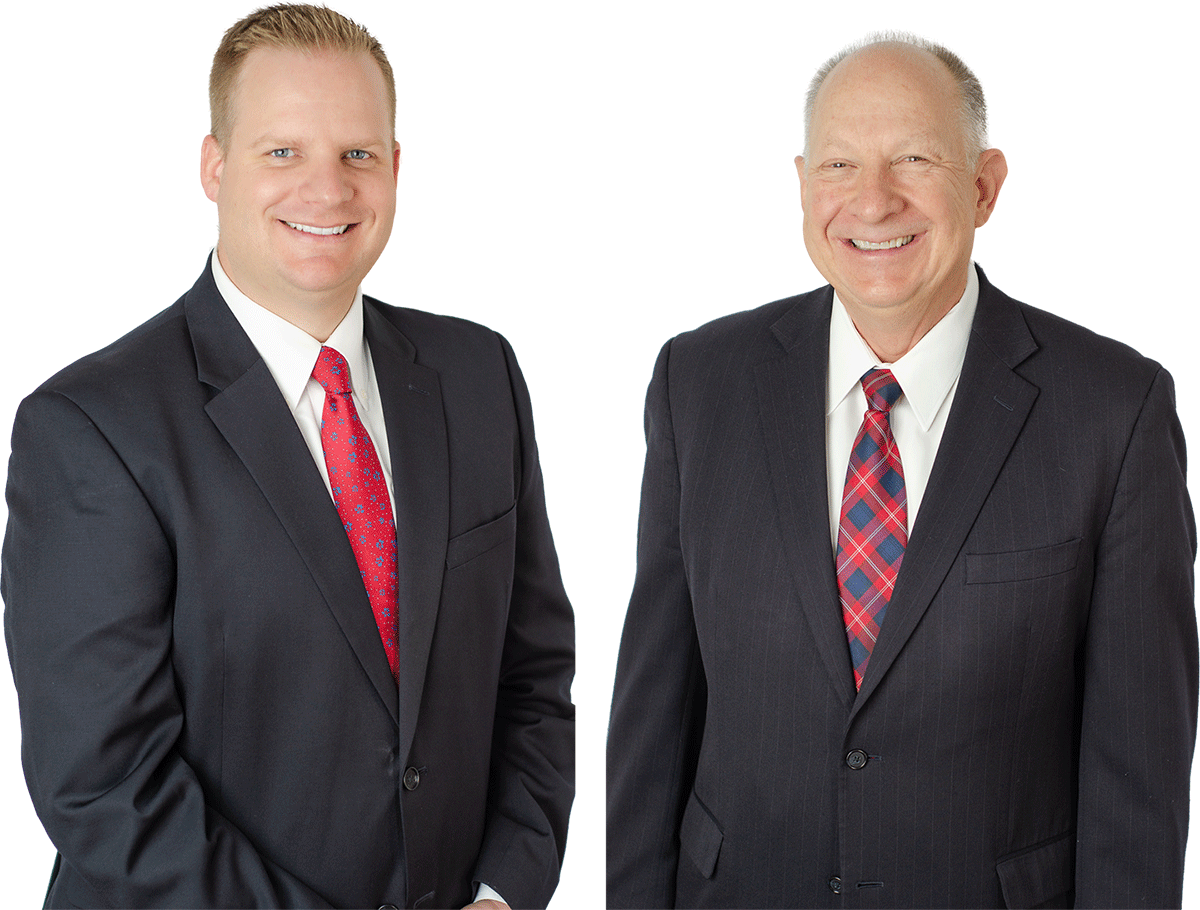
Mediation Attorney Robert Henriksen & Attorney C. Richard Henriksen
Why People Trust Our High-Net-Worth Divorce Law Firm
Focused Experience with Complex Cases
We regularly handle high-net-worth divorce matters involving layered financial structures and long-term implications.
Practical, Consistent Counsel
Clients rely on our high-asset divorce attorneys for clear advice, honest expectations, and thoughtful decision-making at every stage.
Local Insight into Utah Divorce Law
Our lawyers specifically understand how Utah courts approach high-asset divorce cases, and how to best position clients for strong outcomes.

FAQs About High-Net-Worth Divorces in Utah
Protect What You’ve Built and What Comes Next
When your finances, family, and future are at stake, you deserve counsel that is fully invested in your outcome. Let us help you cover your assets.
Contact us
Book your own appt
Use our convenient appointment calendar. Choose a time and date that works for your schedule. Book your free 15 minute consultation.Choose a date & time
Stop by our Offices
We are conveniently located in downtown Salt Lake City. View map, office hours, and get directions.Get directions